

Kenya’s Elephant Kingdom at the Foot of Kilimanjaro...
Straddling the Kenya–Tanzania border, Amboseli National Park may only cover 392 square kilometers (151 square miles), but it sits at the heart of a massive 8,000-square-kilometer (3,100-square-mile) ecosystem. From Nairobi, it’s an easy 240-kilometer drive into a world of endless horizons—where swampy springs meet sun-baked plains and wildlife seems to appear everywhere you look.
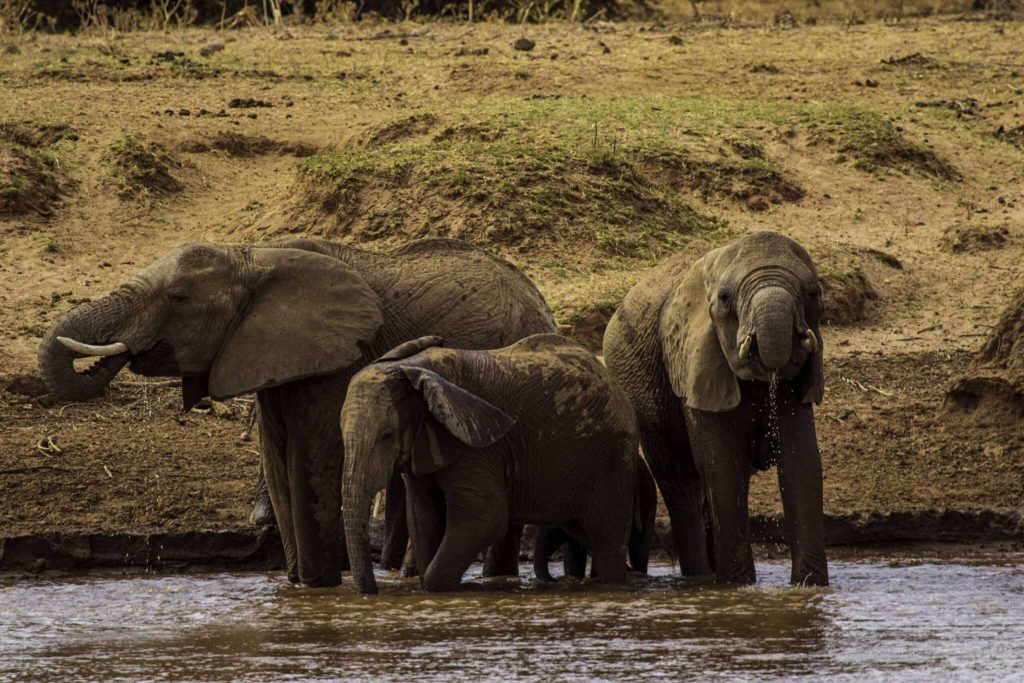
Amboseli’s secret? Mount Kilimanjaro. Africa’s tallest peak feeds the park with underground streams from its ice cap, creating pockets of lush green in the middle of the dry savanna. These marshy oases draw in animals like a magnet—especially Amboseli’s legendary stars: the elephants. With over 1,600 elephants roaming in large, relaxed family groups, this is one of the best places on Earth to get up-close, heart-stopping views of these gentle giants.
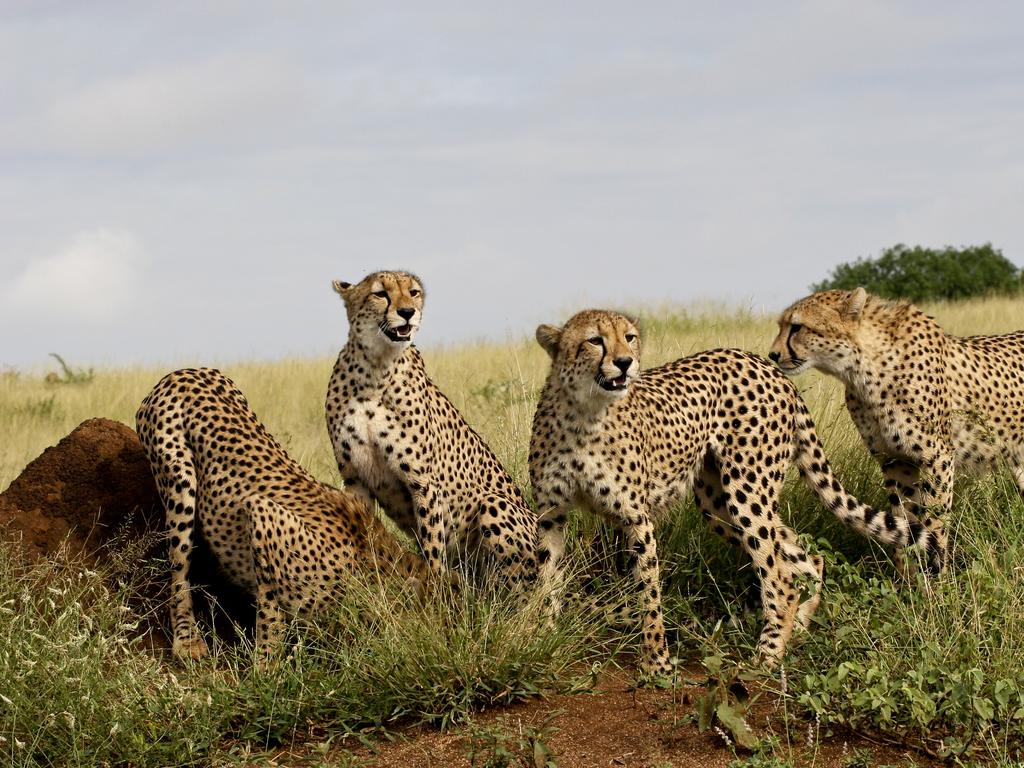
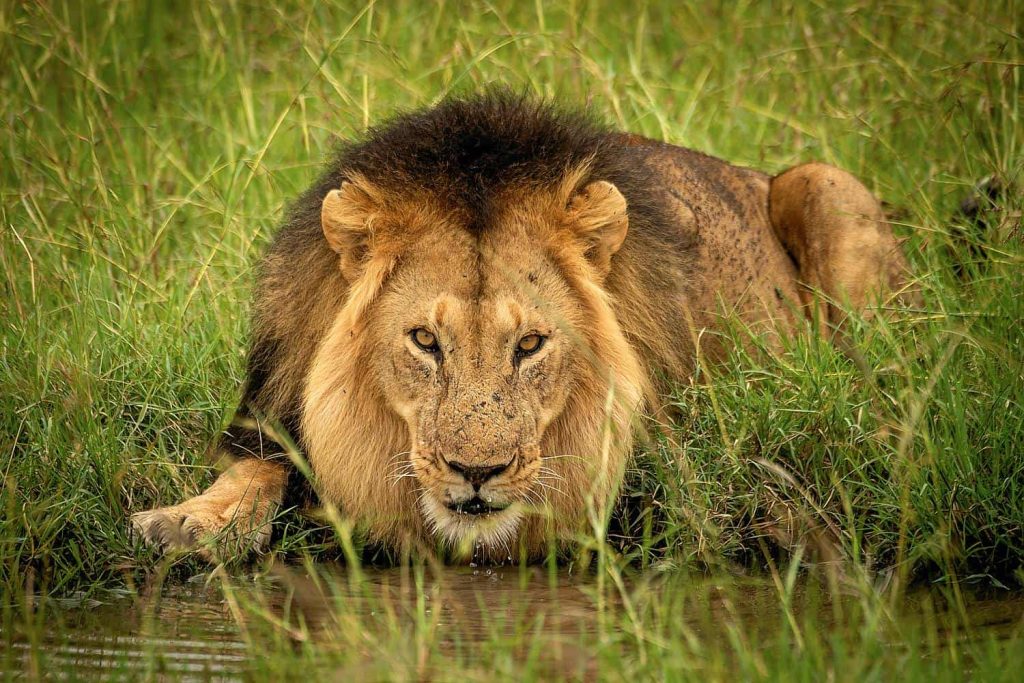
And the elephants are just the beginning. Expect herds of African buffalo, prides of lions, elusive leopards, Grant’s zebras, spotted hyenas, Maasai giraffes, and more. Amboseli is famous for wildlife encounters that feel… well, personal.
Kenya’s second-most visited park (right after the iconic Maasai Mara), Amboseli is also a birder’s paradise. With 450+ bird species—from migrants cutting across continents to flamboyant flamingos decorating the water—your binoculars will stay busy.
If you’re into photography, this place is pure magic. Picture this: elephants marching across golden plains with the snow-capped crown of Kilimanjaro rising 19,341 feet behind them. At sunrise and sunset, when the clouds lift to reveal the mountain’s icy summit, you’ll capture some of the most iconic African wildlife shots possible.
Despite its modest size, Amboseli’s compactness actually plays in your favor—higher densities mean more sightings and fewer long, dusty drives hunting for action. Tucked northwest of Kilimanjaro and not far from Kenya’s coastal circuit, it’s a perfect safari destination even if you’re short on time.
The park stays warm and mostly dry, with daytime temperatures around 28°C (82°F), except during its rainy seasons. It’s open all year, but the best time to visit is June–October, when thirsty animals gather around the waterholes and marshes—turning the landscape into a live wildlife documentary.
Park gates open daily from 06:00 to 18:00, giving you plenty of time to explore, spot your favorites, and soak in the magic of this extraordinary corner of Kenya.


