

Africa’s Roofline Adventure
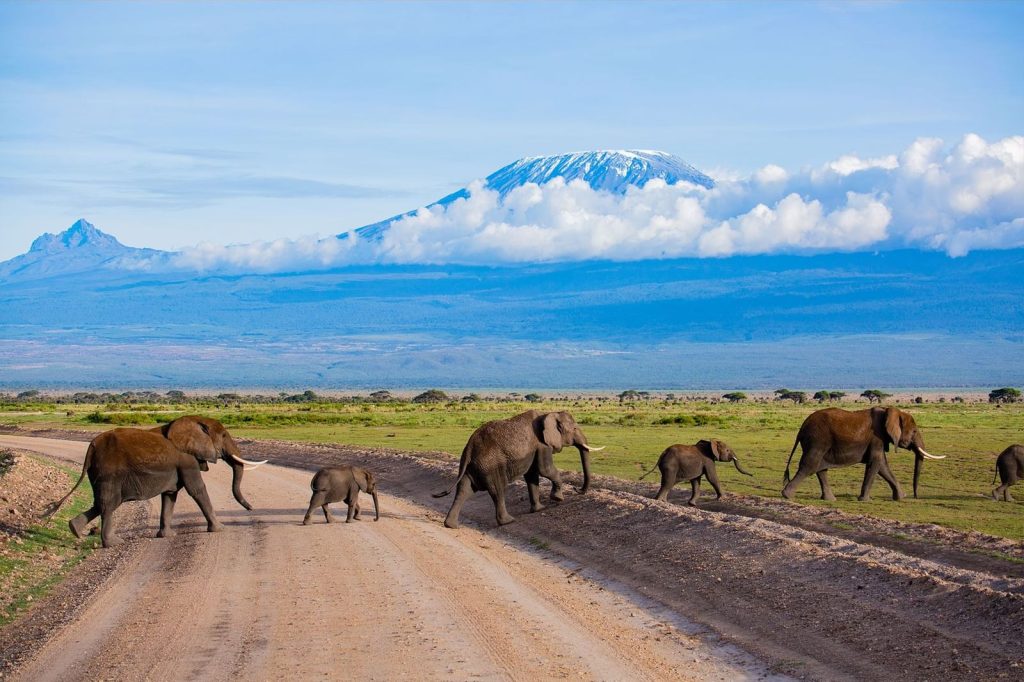
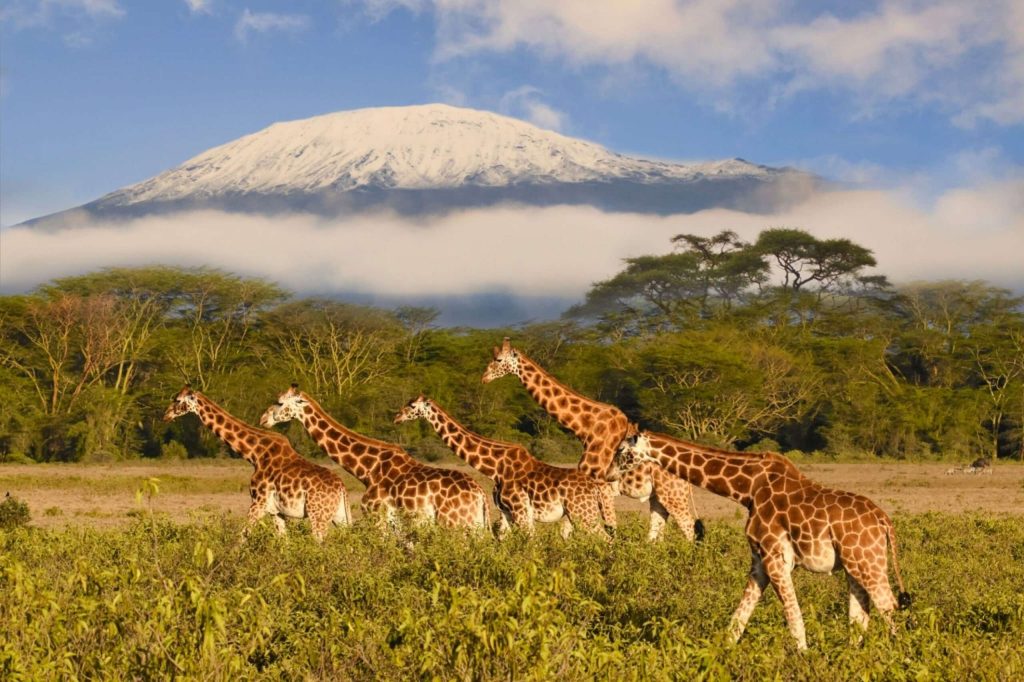
Rising majestically from the plains of northern Tanzania, Mount Kilimanjaro is Africa’s highest peak at 5,895 meters (19,341 feet) and a world-famous destination for adventurers and nature lovers alike. The park, covering about 1,688 km², is more than a mountain—it’s a journey through diverse ecosystems, from lush rainforest at the base to alpine deserts and the iconic snow-capped summit.
Kilimanjaro National Park is a trekker’s paradise. Several climbing routes, like Marangu, Machame, and Lemosho, wind through rainforests alive with monkeys, birds, and exotic flora before reaching high alpine zones where the landscape becomes stark, dramatic, and unforgettable. Summit day rewards climbers with breathtaking sunrise views above the clouds—a once-in-a-lifetime experience.
Wildlife in the park thrives mostly in the lower forested zones. You may encounter elephants, buffaloes, colobus monkeys, duikers, and over 140 bird species, making the ascent as rich in wildlife as it is in scenery. The park’s dramatic contrasts—from misty forests to glacial peaks—make every step a photo opportunity.
The best time to climb is during the dry seasons (January–March and June–October), when trails are more accessible and summit attempts safer. Park facilities include well-marked routes, staffed camps, and visitor centers that highlight Kilimanjaro’s natural and cultural significance.
Accessible from Moshi or Arusha, Kilimanjaro National Park combines adventure, beauty, and a touch of challenge, offering a unique chance to stand on the “Roof of Africa” and experience Tanzania’s incredible landscapes from base to summit.


